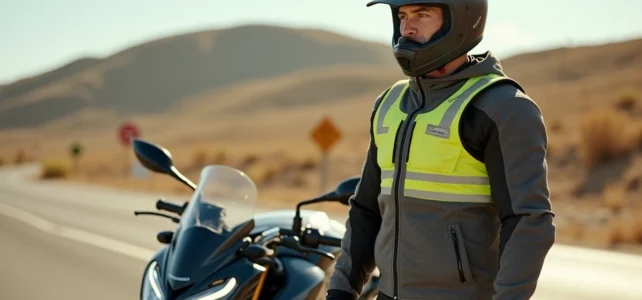
The DGT 2026 reform has redefined the equipment obligations for motorcyclists riding in Spain. Protective gloves, closed shoes, properly secured helmets: the Spanish regulatory framework now exceeds what most French motorcyclists anticipate before crossing the border. We detail here the technical points that deserve careful reading.
Mandatory gloves and shoes in Spain: technical requirements of the DGT 2026 reform
Since 2026, the DGT has mandated the wearing of protective gloves for all drivers and passengers of motorcycles, mopeds, and bicycles. The medical exemption for helmet use has been removed in the same text, closing a historical exception in Spanish law.
Closed shoes are also mandatory. No specific approved standard is mentioned in the regulatory text, but we recommend boots or high-top shoes covering the ankle. Sandals or low-top sneakers expose riders to fines during a roadside check.
To understand mandatory motorcycle equipment in Spain, it should be noted that this triple obligation (gloves, closed shoes, helmet secured) also applies to low-displacement mopeds, a point that many scooter tourists overlook.
Motorcycle helmet in Spain: removal of the medical exemption and strengthened controls
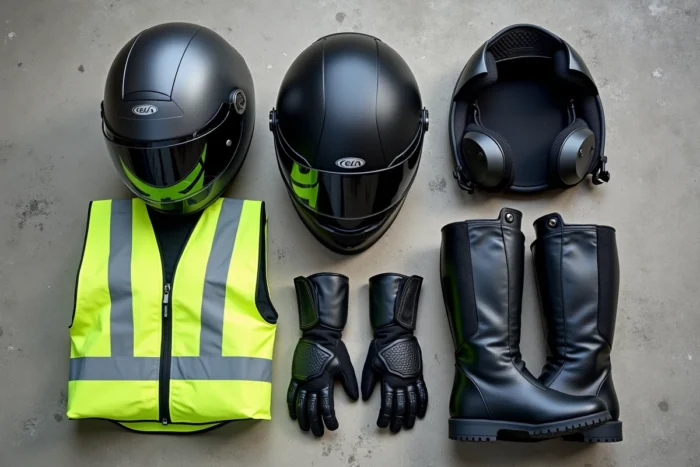
The helmet was already mandatory in Spain, but the DGT 2026 reform has tightened the regulations on one specific point: the medical exemption for helmet use is removed. No health condition now allows riding without a helmet on a motorized two-wheeler.
The helmet must be properly secured. A helmet placed on the head without a closed chin strap is considered not worn by the Spanish law enforcement. This seemingly minor detail generates regular fines on tourist routes in the south and along the Mediterranean coast.
Full-face or open-face helmet: what Spanish law actually requires
The Spanish regulatory text does not distinguish between types of helmets. An approved open-face helmet remains legal. We observe that some French sources relay the idea of a mandatory full-face helmet in Spain, but no DGT provision imposes a specific type of helmet. ECE 22.05 or ECE 22.06 approval is sufficient.
On the other hand, a non-approved helmet or one with expired approval exposes the rider to a fine. Check the label sewn into the inner lining before departure.
Mandatory reflective vest for motorcycle delivery riders in Spain
The DGT 2026 reform introduces a specific obligation related to professional use. Delivery riders on motorcycles, bicycles, or scooters must wear a reflective vest in the city as well as on the road. This measure targets delivery platforms whose couriers often ride without visibility equipment.
For a tourist motorcyclist, the reflective vest is not mandatory while riding. It remains required in case of an emergency stop on the roadway, as in most European countries. We recommend keeping one in the top case or under the seat.
Difference between tourist and professional use
The distinction is clear in the text:
- A motorcyclist on a tourist trip must wear a secured helmet, gloves, and closed shoes, but no reflective vest while riding
- A motorcycle delivery rider must wear the reflective vest at all times, including in urban areas
- A passenger is subject to the same obligations as the driver (helmet, gloves, shoes)
Electric scooters in Spain: helmet mandatory and minimum age of 15 years
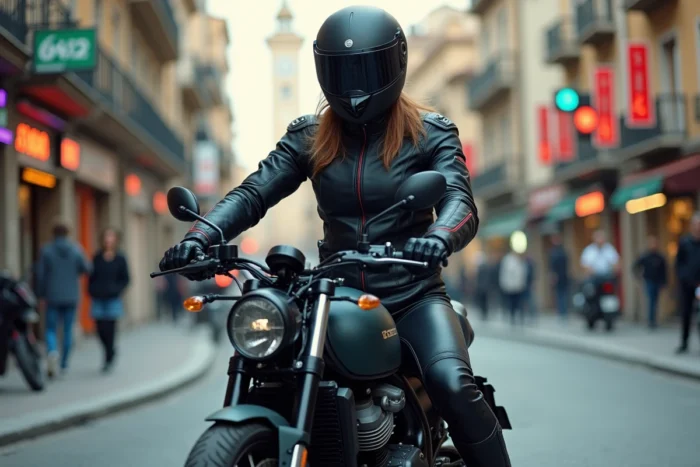
Motorcyclists traveling in Spain increasingly encounter electric scooters, now subject to strict regulations. Wearing a helmet is mandatory for electric scooter users, with a minimum age set at 15 years.
These personal mobility vehicles must operate with lights on at all times. Registration and insurance are also required, bringing their regulatory status closer to that of mopeds.
For motorcyclists renting a scooter locally for short urban trips, this regulation changes the game: a helmet is necessary even for a few hundred meters.
Motorcycle equipment and documents to carry for riding in Spain
Beyond personal protection, Spanish regulations require carrying several documents and accessories. Here’s the checklist to verify before crossing the border:
- Valid driving license (French license is accepted)
- Vehicle registration document
- Current insurance certificate
- Accessible reflective vest (not in a locked trunk)
- Two warning triangles for four-wheeled vehicles (not required for motorcycles, but the vest compensates for this absence)
Low beam headlights must remain on at all times, day and night. A low beam turned off during the day is subject to fines on Spanish roads, unlike the tolerance sometimes observed in France.
The DGT 2026 reform has also tightened penalties related to drunk driving. The maximum allowed blood alcohol level remains among the lowest in Europe, and checks are increasing on routes frequented by tourists, especially during the summer season. A motorcyclist found positive risks immediate vehicle immobilization in addition to the fine.
Spanish regulations are evolving quickly. Each season brings its share of regulatory clarifications, and Spanish law enforcement applies the texts with less flexibility than what French motorcyclists are accustomed to. Checking one’s equipment before departure remains the simplest way to avoid a fine that could spoil the trip.