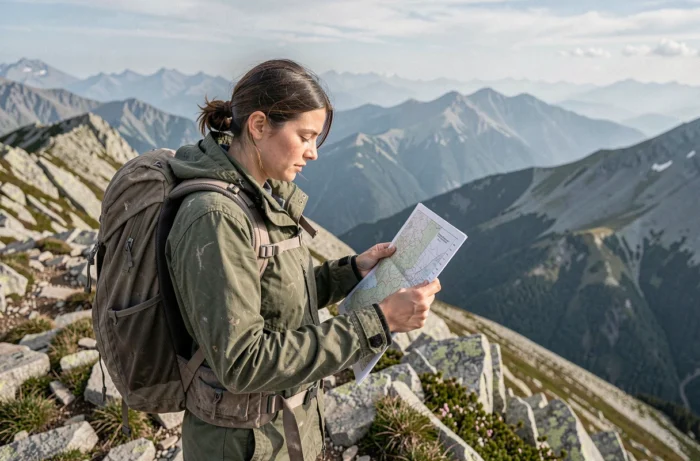
An adventure trip is not prepared like a beach holiday. The choice of terrain, management of physical risk, logistics for accessing remote areas, and local seasonality determine success far more than the budget or the destination listed in a brochure. Here, we address the technical points that most planning guides overlook.
Seasonality and weather windows: the real filter for selecting an adventure trip
The destination is not chosen first by desire, but by a usable weather window. A trek in Nepal during the off-season after the monsoon (October-November) exposes you to unstable trails and almost zero visibility. A safari in Southern Africa during the rainy season makes the tracks impassable.
We recommend thinking in terms of “technical windows” rather than calendar months. The window combines three variables: cumulative precipitation over the previous 30 days, day/night temperature range, and the state of local infrastructure (bridges, unpaved roads, open shelters).
The European mountain ranges illustrate this discrepancy well. The Alps, the Pyrenees, and the Massif Central have seen an increase in visitors in spring and early summer in recent years, driven by the demand for “soft adventure” (hiking, biking, micro-adventures). This trend pushes the notion of the ideal season well beyond the classic summer peak.
Planning an adventure trip in the French mountains in May or June means enjoying clear trails, less crowded shelters, and often more stable conditions than in August.
For distant destinations, cross-referencing data from at least two historical weather sources over five years provides a reliable picture. Annual averages mask extremes, and it is the extremes that can block an itinerary.
Risk assessment and travel insurance for adventure
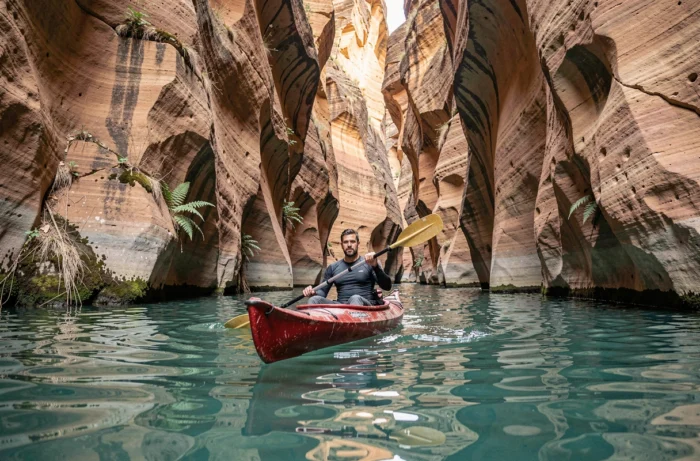
An adventure trip involves activities classified as “risky” by most standard insurance contracts: trekking above 2,500 m, diving, climbing, white-water kayaking. The basic coverage of a credit card almost never covers these activities.
Before booking anything, check three points in the insurance contract:
- The medical evacuation ceiling, especially by helicopter in isolated areas, which can represent the heaviest expense in case of an accident.
- The exclusion or explicit inclusion of each planned activity, as insurers often distinguish between “hiking” and “challenging trekking” based on altitude or technicality of the route.
- The waiting period and cancellation conditions related to weather hazards, which vary significantly from one insurer to another for destinations with volatile weather.
We observe that travelers regularly underestimate the cost of repatriation from countries where medical infrastructure is limited. This item should be included in the overall budget from the planning phase, not as a last-minute addition.
To explore guided adventure travel formats and find itineraries already calibrated in terms of difficulty, the site Nos Aventures Légendaires offers routes that integrate this logistical dimension from the design stage.
Planning an adventure itinerary with AI: real potential and technical limits
AI accelerates the inspiration phase but does not replace on-the-ground verification. In France, the proportion of travelers using artificial intelligence to prepare their trips has skyrocketed between 2024 and 2026, moving from a marginal practice to a common usage for nearly four out of ten travelers.
AI planning tools excel at three tasks: generating route variations based on constraints (duration, budget, physical level), comparing transport costs across multiple date combinations, and synthesizing scattered feedback from forums.
What AI cannot do for an adventure trip
Generative models produce plausible itineraries but can sometimes be physically unfeasible. A sequence of two trekking stages proposed by a chatbot may overlook that a pass is closed at certain times or that the transfer time between two points includes an impassable track for several hours.
Any AI-generated itinerary must be validated by cross-referencing with recent local sources: tourist offices, specialized hiking forums, or on-the-ground operators. Relying exclusively on an automated tool for a physically demanding trip poses a real risk, documented by several traveler reports who followed erroneous recommendations.

Realistic budget for an adventure trip: the items that comparison sites ignore
Flight and accommodation comparison sites cover the two most visible items. For an adventure trip, the invisible items often represent a third of the total budget.
- The rental or purchase of technical equipment suitable for the terrain (trekking shoes, sleeping bag for negative temperatures, water purification gear) constitutes an investment that does not appear in any online comparator.
- Fees for permits and access rights to protected areas vary by country and season, with sometimes daily quotas that require booking months in advance.
- Local transfers in remote areas (4×4, canoe, domestic flight with a local airline) are rarely listed on traditional booking platforms and are negotiated on-site or through a specialized operator.
Building a reliable adventure budget requires adding a safety margin for local logistical items, not just for “pleasure” expenses. A canceled domestic flight in a country with limited infrastructure can delay an entire itinerary and generate cascading costs (extra nights, alternative transfers).
Balancing autonomy and guidance
The choice between a fully independent trip and one guided by a specialized operator is not just a matter of price. Autonomy requires a level of skill in navigation, effort management, and food logistics that many travelers overestimate. Professional guidance absorbs these constraints but imposes a collective pace and reduces itinerary flexibility.
The right balance depends on the terrain. For a first high-altitude trek or a safari in a reserve with dangerous wildlife, guidance is not a comfort but a safety condition. For a micro-adventure in European mountains on marked trails, autonomy remains perfectly accessible to a regular hiker.
Preparing for an adventure trip hinges on these concrete trade-offs, well before choosing the destination on a map.